What is a Gastroscopy and When Might I Need One?

What is a gastroscopy and when might I need one?

A Gastroscopy is a commonly performed procedure used to examine the upper digestive system, including the oesophagus, stomach and small intestine. It can help diagnose a wide range of digestive conditions and identify the cause of symptoms such as acid reflux, indigestion, abdominal pain and difficulty swallowing.

If you’ve been advised to have a gastroscopy, or are experiencing ongoing digestive symptoms, understanding how the procedure works can help you feel more informed and reassured. In this guide, we’ll explain what a gastroscopy is, what to expect and when it may be recommended by a specialist.

What is a Gastroscopy?

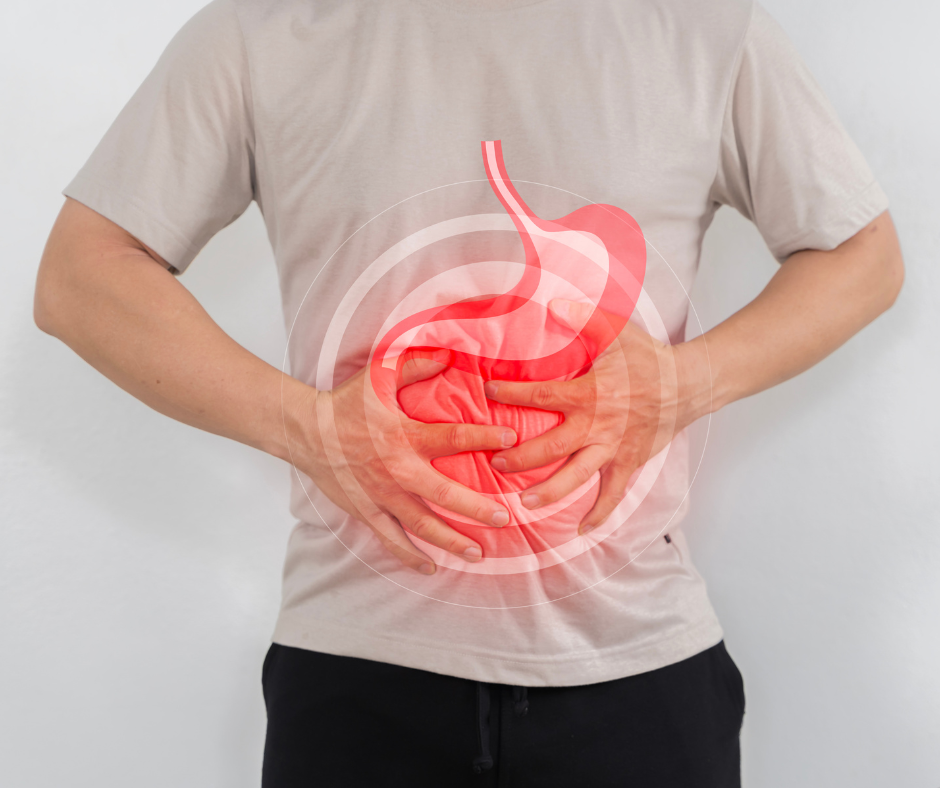
A gastroscopy is a procedure used to examine the upper digestive system, including the oesophagus, stomach and the first part of the small intestine. It is performed using a thin, flexible tube called an endoscope, which has a light and camera attached.

A gastroscopy can help diagnose:

  • Acid reflux (GORD)
  • Stomach ulcers
  • Coeliac disease
  • Gastritis and inflammation
  • Barrett’s oesophagus
  • Other upper digestive tract conditions

It is often recommended when symptoms persist and further investigation is needed.

What Does the Procedure Involve?

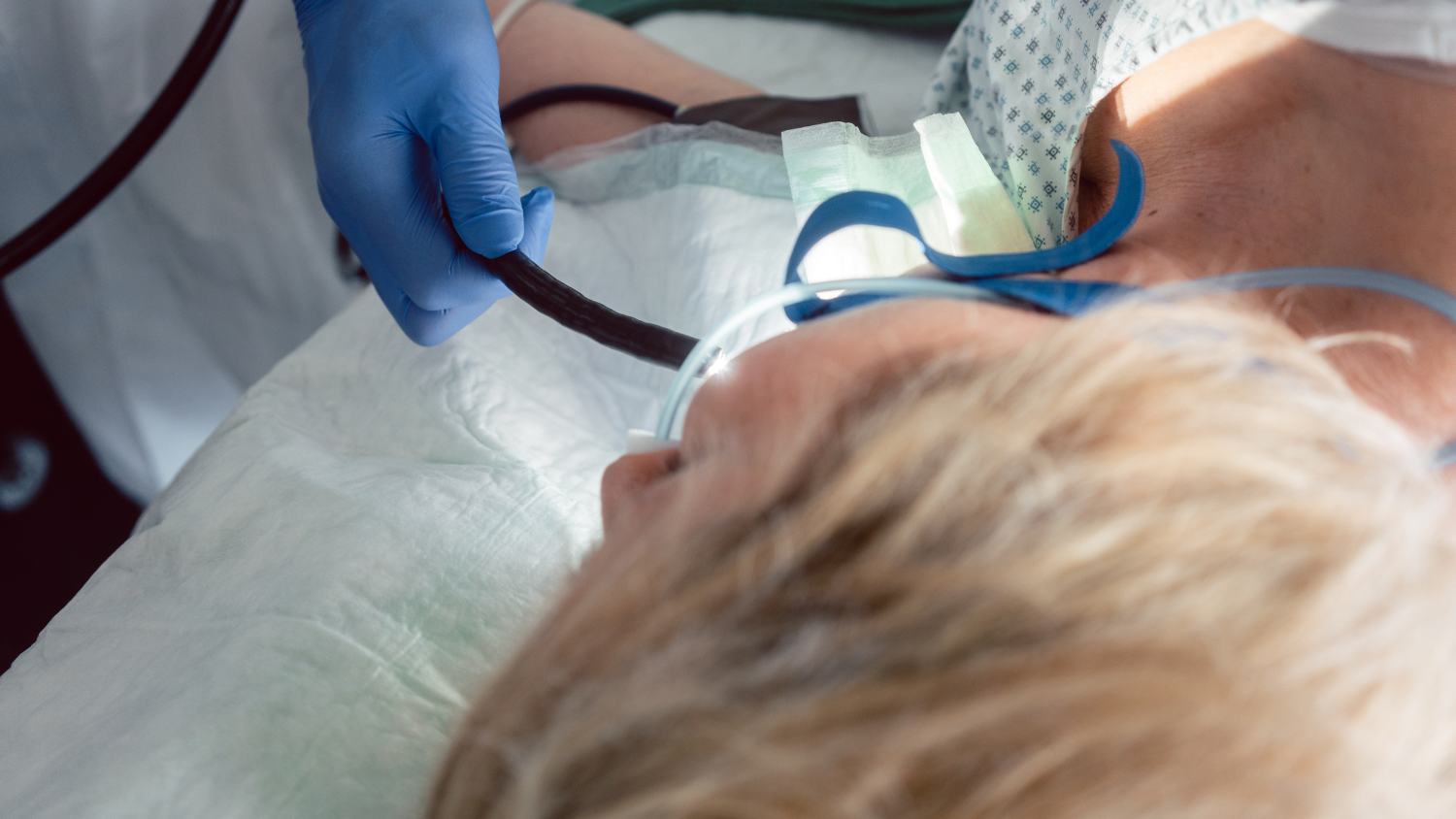
During a gastroscopy, a specialist gently passes a thin endoscope through your mouth and into the upper digestive tract. The camera at the end of the tube sends images to a monitor, allowing the specialist to examine the lining of the oesophagus, stomach and small intestine.

The procedure usually takes around 5 to 15 minutes and is often carried out as an outpatient appointment. To help you feel more comfortable, a numbing throat spray or sedation may be offered. If necessary, small tissue samples (biopsies) can be taken during the procedure for further testing.

How Does the Procedure Work?

A gastroscopy gives specialists a clear view of the upper digestive system. As the endoscope moves through the digestive tract, it captures detailed images that can help identify inflammation, ulcers, bleeding, infection or other abnormalities.

One of the key advantages of a gastroscopy is that it allows specialists to take biopsies during the same procedure. These samples can be analysed to help diagnose conditions such as coeliac disease, H. pylori infection or other digestive disorders. By providing both visual examination and tissue testing, a gastroscopy is an effective tool for accurate diagnosis and treatment planning.

Are There Different Types of Gastroscopies?

The most common type of gastroscopy is an upper gastrointestinal endoscopy, which examines the oesophagus, stomach and duodenum. While the procedure itself is largely the same, it can be performed with a local anaesthetic throat spray, sedation, or a combination of both.

The most suitable option will depend on your symptoms, medical history and personal preference. In some cases, advanced imaging techniques may be used to provide a more detailed view of the digestive tract. Your specialist will explain the best approach for your individual needs and ensure you are fully informed before the procedure.

What to expect

Before your gastroscopy, you will usually be asked not to eat or drink for several hours. When you arrive, a member of the team will explain the procedure and answer any questions you may have.

Although some people may feel anxious beforehand, a gastroscopy is usually a short procedure and measures can be taken to help make it as comfortable as possible.

Most patients can expect:

  • A procedure lasting around 5-15 minutes
  • A throat spray and/or sedation for comfort
  • Mild bloating or a sore throat afterwards
  • Initial results shortly after the procedure
  • A return to normal activities within a day (depending on sedation)

When You Might Need a Gastroscopy

This type of procedure may be recommended if you are experiencing symptoms such as:

  • Persistent acid reflux
  • Frequent indigestion
  • Abdominal or stomach pain
  • Difficulty swallowing
  • Unexplained nausea or vomiting
  • Unintentional weight loss
  • Ongoing anaemia

If your symptoms are persistent, worsening or affecting your quality of life, seeking specialist advice can help identify the cause and guide the most appropriate treatment.

Next Steps

If you’re concerned about ongoing digestive symptoms, speaking with a specialist is often the best place to start. Our expert gastroenterologists can provide valuable insight into what may be causing your symptoms and help determine the most appropriate course of treatment.

At Clarity, our digestive health specialists provide expert assessment and personalised care for a range of digestive conditions. Whether you’re experiencing reflux, abdominal discomfort or other gastrointestinal symptoms, we’re here to help you find answers and feel confident about your next steps.

Think you might need a gastroscopy? Visit our Digestive Health Treatments page to learn more about our treatment services and how we can help you.