
Do I Have IBS? Common signs and when to seek specialist care

Do I Have IBS? Common signs and when to seek specialist care

If you’re regularly dealing with bloating, stomach cramps, diarrhorea or constipation, you may be wondering: do I have IBS?

Irritable bowel syndrome (IBS) is one of the most common digestive conditions in the UK, affecting millions of people. It can cause uncomfortable and sometimes unpredictable symptoms that impact work, social activities and overall quality of life. While IBS is not dangerous, some symptoms can overlap with other digestive conditions, making it important to get the right diagnosis and treatment.

In this article, we’ll explain the common signs of IBS, what causes flare-ups, and when specialist assessment may be necessary.
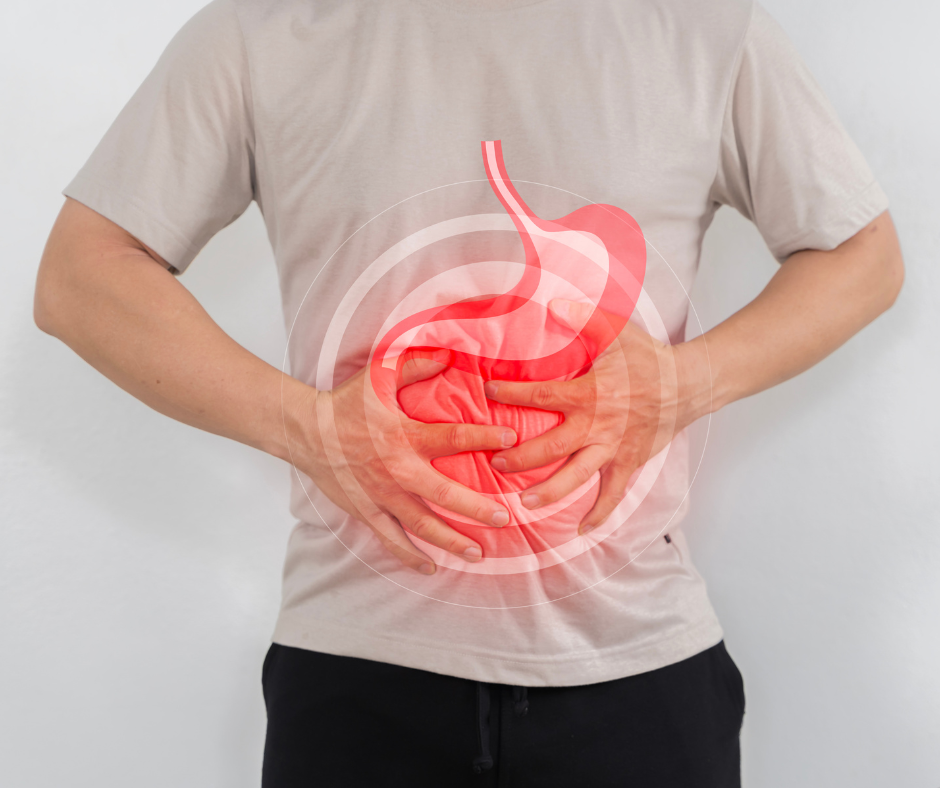

What Is Irritable Bowel Syndrome (IBS)?

Irritable bowel syndrome is a long-term condition that affects how the digestive system functions. Unlike conditions such as Crohn’s disease or ulcerative colitis, it does not cause visible inflammation or damage to the bowel, but it can still lead to significant symptoms.

The exact cause of IBS isn’t fully understood. However, experts believe it may be related to:

  • Increased sensitivity in the digestive tract
  • Changes in how quickly food moves through the gut
  • Stress and anxiety
  • Certain food triggers
  • Changes in gut bacteria (the microbiome)

IBS can affect people of all ages, and symptoms often come and go over time.

Common Signs and Symptoms

Many people experience occasional digestive discomfort, but symptoms tend to be recurring and persistent.

1. Abdominal Pain or Cramping

One of the hallmark symptoms of IBS is recurring stomach pain or cramps. The pain is often:

  • Worse after eating
  • Relieved after a bowel movement
  • Linked to changes in bowel habits

The location and severity of pain can vary from person to person.

2. Bloating

Persistent bloating is another common symptom of irritable bowel syndrome. Many people describe feeling:

  • Uncomfortably full
  • Swollen around the abdomen
  • Tighter in their clothing as the day progresses

Bloating can occur even after eating relatively small meals.

3. Diarrhoea

Some people experience IBS-D (IBS with diarrhoea), which can include:

  • Frequent loose stools
  • Sudden urgency to use the toilet
  • Fear of being away from toilet facilities

Symptoms can significantly affect daily routines and confidence.

4. Constipation

Others may develop IBS-C (IBS with constipation), leading to:

  • Difficulty passing stools
  • Straining during bowel movements
  • A feeling that the bowel hasn’t fully emptied

Constipation may alternate with periods of diarrhoea in some individuals.

5. Changes in Bowel Habits

Many people experience fluctuating symptoms. Some may alternate between constipation and diarrhoea, known as IBS-M (mixed IBS).

Additional symptoms can include:

  • Excessive wind (flatulence)
  • Passing mucus in stools
  • Fatigue
  • Nausea
  • Backache
  • Urinary symptoms such as needing to urinate more frequently

What Can Trigger a Flare-Up?

IBS symptoms often fluctuate. Many people notice specific triggers that make symptoms worse.

Common triggers include:

  • Stress and anxiety
  • Caffeine
  • Alcohol
  • Fatty foods
  • Spicy foods
  • Certain medications, including some antibiotics

Top tip: Keeping a symptom and food diary can help identify personal triggers and patterns.

How Is IBS Diagnosed?

There is no single test that confirms IBS. Instead, healthcare professionals typically diagnose it based on your symptoms while ruling out other conditions that may cause similar problems.

Assessment may include:

  • A review of your symptoms and medical history
  • Blood tests
  • Stool tests
  • Screening for conditions such as coeliac disease or inflammatory bowel disease

If symptoms have been present for several weeks or longer, it’s important to seek medical advice rather than attempting to self-diagnose.

When Should You Seek Specialist Care?

Although IBS itself is not considered life-threatening, some symptoms require prompt medical assessment to rule out more serious conditions.

Red Flag Symptoms

You should seek medical advice if you experience:

  • Unexplained weight loss
  • Bleeding from the rectum
  • Bloody diarrhoea
  • Anaemia
  • A lump or swelling in the abdomen
  • Persistent changes in bowel habits, particularly in older adults
  • A family history of bowel cancer or ovarian cancer alongside symptoms

These symptoms are not typical of IBS and may require further investigation.

Symptoms That Persist Despite Treatment

Specialist assessment may also be beneficial if:

  • Your symptoms are significantly affecting your quality of life
  • Dietary changes are not helping
  • Symptoms continue despite treatment
  • There is uncertainty about the diagnosis

A gastroenterology specialist can provide more detailed investigations and a personalised treatment plan.

Can IBS Be Managed?

While there is currently no cure for irritable bowel syndrome, many people successfully manage their symptoms through a combination of:

  • Dietary modifications
  • Stress management techniques
  • Regular exercise
  • Medication when appropriate
  • Specialist support from gastroenterology and dietetic teams

Top tip: Identifying triggers and developing a personalised management plan can make a significant difference in symptom control.

Get Expert Support for IBS Symptoms

If you’re experiencing ongoing digestive symptoms and wondering whether you may have irritable bowel syndrome, obtaining an accurate diagnosis is the first step towards effective treatment. Specialist assessment can help identify the underlying cause of your symptoms, rule out other conditions, and create a personalised management plan that supports your long-term digestive health.

Explore our Digestive Health Treatments page to learn more about our available treatment pathways and how we can help you.