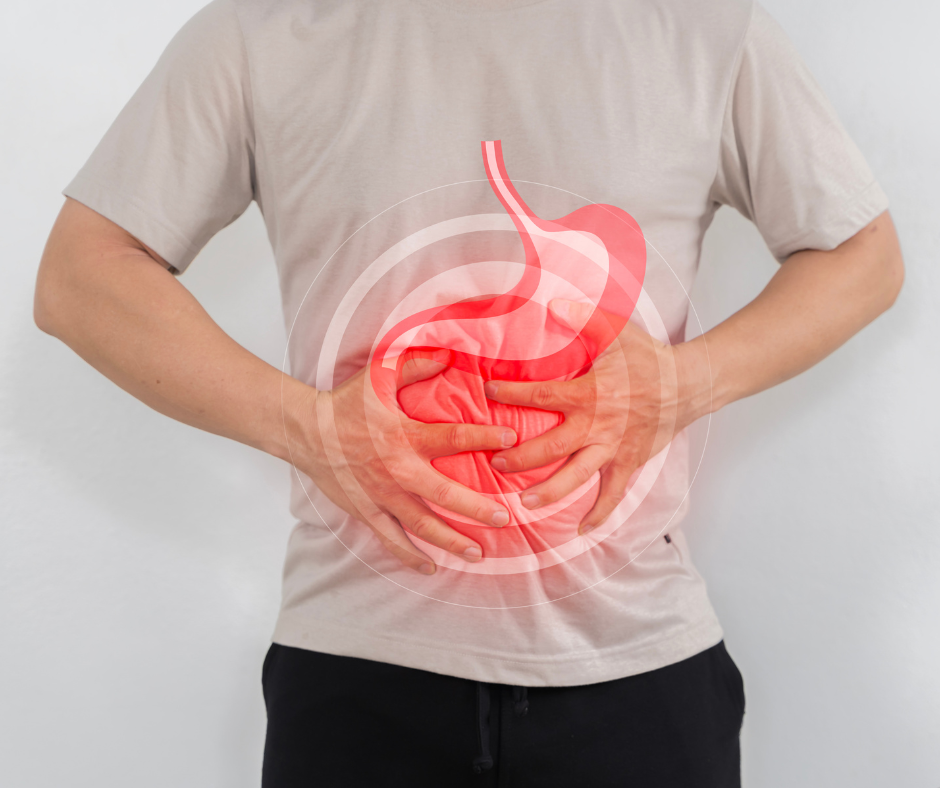
Poor Gut Health: 10 Signs You Shouldn’t Ignore

Poor Gut Health: 10 Signs You Shouldn't Ignore

Your digestive system plays a vital role in not only your gut health, but your overall health too. As well as helping your body digest food and absorb nutrients, it supports your immune system and influences many essential bodily functions.

Digestive symptoms related to poor gut health, such as bloating, abdominal pain and changes in bowel habits are common, but that doesn’t mean they should be ignored. While occasional symptoms are often harmless, persistent digestive problems can sometimes be a sign of an underlying condition that requires specialist assessment and treatment.

In this article, we’ll explore 10 signs of poor gut health that you shouldn’t ignore and explain when it may be time to seek professional support.


What Is Gut Health?

The term “gut health” refers to the health and function of your digestive system, including the stomach, intestines and the trillions of microorganisms that live within them, collectively known as the gut microbiome.

A healthy gut helps your body:

  • Digest food efficiently
  • Absorb nutrients
  • Support your immune system
  • Maintain regular bowel movements
  • Protect against harmful bacteria

When the digestive system is not functioning properly, a wide range of symptoms can develop, affecting everyday quality of life.

1. Persistent Bloating

Most people experience bloating occasionally, particularly after large meals. However, frequent or ongoing bloating should not be ignored.

Persistent bloating may be linked to:

  • Irritable bowel syndrome (IBS)
  • Food intolerances
  • Small intestinal bacterial overgrowth (SIBO)
  • Coeliac disease
  • Inflammatory bowel disease (IBD)

If bloating is becoming a regular occurrence or is affecting your daily activities, it’s worth discussing it with a digestive health specialist.

2. Ongoing Abdominal Pain

Abdominal discomfort is one of the most common signs of digestive problems.

Pain may be caused by a relatively minor issue, but it can also signal conditions such as:

  • IBS
  • Gallstones
  • Stomach ulcers
  • Crohn’s disease
  • Ulcerative colitis

Recurring pain that doesn’t improve should always be investigated to establish the underlying cause.

3. Changes in Bowel Habits

Changes in bowel habits are among the clearest indicators that something may be wrong within the digestive system.

These changes might include:

  • Frequent diarrhoea
  • Constipation
  • Alternating diarrhoea and constipation
  • Increased urgency
  • Difficulty emptying the bowels

While occasional fluctuations are normal, persistent changes lasting several weeks should be assessed by a healthcare professional.

4. Excessive Gas

Passing wind is a natural part of digestion. However, excessive gas, particularly when accompanied by bloating, pain or changes in bowel habits, may suggest an underlying digestive issue.

Common causes include:

  • Food intolerances
  • IBS
  • Poor digestion of certain carbohydrates
  • Imbalances within the gut microbiome

A specialist assessment can help identify potential triggers and recommend appropriate treatment.

5. Unexplained Fatigue

Many people are surprised to learn that poor gut health can affect energy levels.

Digestive issues may interfere with nutrient absorption, leading to deficiencies in important vitamins and minerals. Chronic inflammation associated with some digestive conditions can also contribute to fatigue.

If you’re experiencing ongoing tiredness alongside digestive symptoms, it’s important to investigate both together rather than treating them as separate issues.

6. Food Intolerances and Sensitivities

Developing difficulty tolerating certain foods can be another sign of poor gut health.

Common symptoms include:

  • Bloating after eating
  • Stomach cramps
  • Diarrhoea
  • Nausea

Common triggers may include dairy products, wheat, onions, garlic and certain fruits.

A digestive health specialist can help determine whether symptoms are caused by an intolerance, allergy or an underlying digestive condition.

7. Frequent Heartburn or Acid Reflux

Occasional heartburn is common, but regular reflux should not be ignored.

Symptoms can include:

  • Burning in the chest
  • A sour taste in the mouth
  • Regurgitation of food or stomach acid
  • Difficulty swallowing

Persistent reflux may indicate gastro-oesophageal reflux disease (GORD) or other upper digestive tract conditions that require specialist assessment.

8. Unexpected Weight Changes

Losing or gaining weight without making significant changes to your diet or activity levels may be linked to digestive health problems.

Potential causes include:

  • Malabsorption
  • Coeliac disease
  • Crohn’s disease
  • Ulcerative colitis
  • Chronic inflammation

Unexplained weight loss should always be discussed with a healthcare professional as soon as possible.

9. Blood in Your Stool

Seeing blood in your stool can be alarming and should never be ignored.

While causes can include relatively minor conditions such as haemorrhoids, bleeding can also be associated with:

  • Inflammatory bowel disease
  • Polyps
  • Diverticular disease
  • Bowel cancer

If you notice blood in your stool, seek medical advice promptly so appropriate investigations can be arranged.

10. Symptoms That Don’t Go Away

Perhaps the most important sign of poor gut health is persistence.

Digestive symptoms that continue for weeks or months are your body’s way of signalling that something isn’t right.

Many digestive conditions share similar symptoms, making professional assessment essential for an accurate diagnosis and effective treatment plan.

When Should You See a Gastroenterologist?

Many digestive symptoms can be managed successfully once the underlying cause has been identified.

You should consider seeing a gastroenterologist if you experience:

  • Ongoing bloating or abdominal pain
  • Persistent diarrhoea or constipation
  • Unexplained weight loss
  • Blood in your stool
  • Difficulty swallowing
  • Recurrent acid reflux
  • Symptoms that are affecting your daily life

Specialist investigations such as blood tests, gastroscopy, colonoscopy and imaging studies can help provide answers and guide treatment.

How Specialist Digestive Health Care Can Help

Living with ongoing digestive symptoms can be frustrating, uncomfortable and sometimes worrying. The good news is that effective treatments are available for many digestive conditions.

Early assessment by a digestive health specialist can help:

  • Identify the cause of symptoms
  • Rule out serious conditions
  • Create a personalised treatment plan
  • Improve long-term quality of life
  • Provide reassurance and expert guidance

Take the Next Step

If you’re experiencing persistent digestive symptoms, don’t ignore them or assume they’re something you simply have to live with.

Seeking specialist advice can help you understand what’s causing your symptoms and identify the most effective treatment options. Whether you’re struggling with bloating, abdominal pain, reflux, changes in bowel habits or other digestive concerns, expert assessment can provide the answers and support you need.

For more information about how Clarity can help you with your gut health, visit our Digestive Health Treatments page.