What is a Colonoscopy and When Might I Need One?
15 . October . 2026
Author: Clarity Healthcare
Category: Advice
A colonoscopy is a common diagnostic procedure used to examine the lining of the large bowel (colon) and rectum. It can help identify the cause of bowel symptoms, investigate abnormal test results and detect conditions such as bowel polyps, inflammatory bowel disease and bowel cancer.
Although many people feel anxious about having a colonoscopy, the procedure is routinely performed in the UK and healthcare teams take steps to make it as comfortable as possible.
To help put you at ease, this article explains what you need to know about colonoscopies and when you might need one.
What is a colonoscopy?
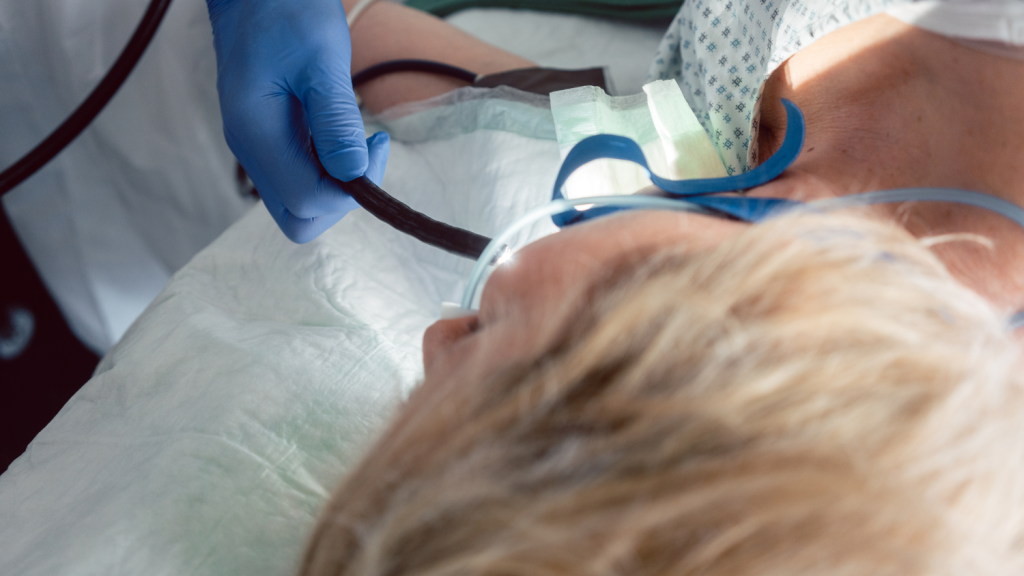
A colonoscopy is a test that allows a doctor or specialist nurse to look inside your large bowel using a long, thin, flexible tube called a colonoscope. The colonoscope has a small camera and light at the end, which sends images to a monitor so the bowel lining can be examined in detail.
During the procedure, the colonoscope is carefully passed through the rectum and around the colon. If necessary, small tissue samples called biopsies can be taken for testing or bowel polyps can be removed for further analysis. These procedures are usually painless.
What conditions can a colonoscopy help diagnose?
A colonoscopy can help identify or rule out a range of digestive conditions, including:
Bowel polyps
Polyps are growths on the lining of the bowel. Most are harmless, but some can develop into bowel cancer over time. If polyps are found during a colonoscopy, they can often be removed there and then.
A colonoscopy can help diagnose inflammatory bowel diseases such as Crohn’s disease and ulcerative colitis.
Diverticular disease
The procedure can identify diverticular disease and diverticulitis, which affect small pouches that develop in the bowel wall.
Bowel cancer
A colonoscopy is one of the most effective ways of examining the bowel and can help detect bowel cancer or investigate symptoms that may be linked to it.
When might I need a colonoscopy?
Your doctor may recommend a colonoscopy if you have symptoms that need further investigation, including:
A colonoscopy may also be used to monitor existing bowel conditions or investigate concerns identified through imaging or screening programmes.
How do I prepare for a colonoscopy?
Good bowel preparation is essential because the bowel needs to be as clear as possible to improve the accuracy of the procedure. You will usually be asked to:
- Follow a special diet before the procedure
- Take bowel preparation medication (laxatives)
- Drink plenty of clear fluids
- Follow any medication guidance provided by your healthcare team
Your hospital or clinic will provide detailed instructions before your appointment. Following these carefully helps ensure the colonoscopy can be completed successfully.
What happens during a colonoscopy?
You’ll usually be awake throughout the procedure, which typically takes between 30 and 40 minutes, but can vary depending on individual circumstances. You may be offered sedation, pain relief or other medication to help you relax and stay comfortable.
The colonoscope is gently inserted through the rectum and guided around the bowel. Air or carbon dioxide may be introduced to improve visibility, which can sometimes cause temporary bloating or cramping.
If biopsies are needed for testing or polyps are found, these can often be dealt with during the same procedure.
Is a colonoscopy painful?
A colonoscopy should not be painful, although some people experience pressure, bloating, cramping or temporary discomfort as the camera moves around the bowel. Medication options are available to make the procedure more comfortable.
Everyone’s experience is different, but healthcare professionals will monitor you throughout the procedure and can adjust support measures if needed.
What happens after a colonoscopy?
After the procedure, you’ll spend some time recovering before going home. If you’ve had sedation, you’ll usually need someone to accompany you, take you home and maybe stay with you for at least 24 hours afterwards.
Your healthcare team may discuss any initial findings with you before you leave. If biopsies have been taken or polyps removed, results may take longer and will be shared at a follow-up appointment or by your referring clinician.
Take the Next Step for Your Digestive Health
If you’re concerned about ongoing digestive symptoms, speaking with a specialist is often a good place to start. A colonoscopy can help provide valuable insight into what may be causing your symptoms and help determine the most appropriate course of treatment.
At Clarity, our digestive health specialists provide expert assessment and personalised care for a range of digestive conditions. Whether you’re experiencing abdominal discomfort or other gastrointestinal symptoms, we’re here to help you find answers and feel confident about your next steps.
Think you might need a colonoscopy? Visit our Digestive Health page to learn more about our treatment services and how we can help you.